Milk Kefir
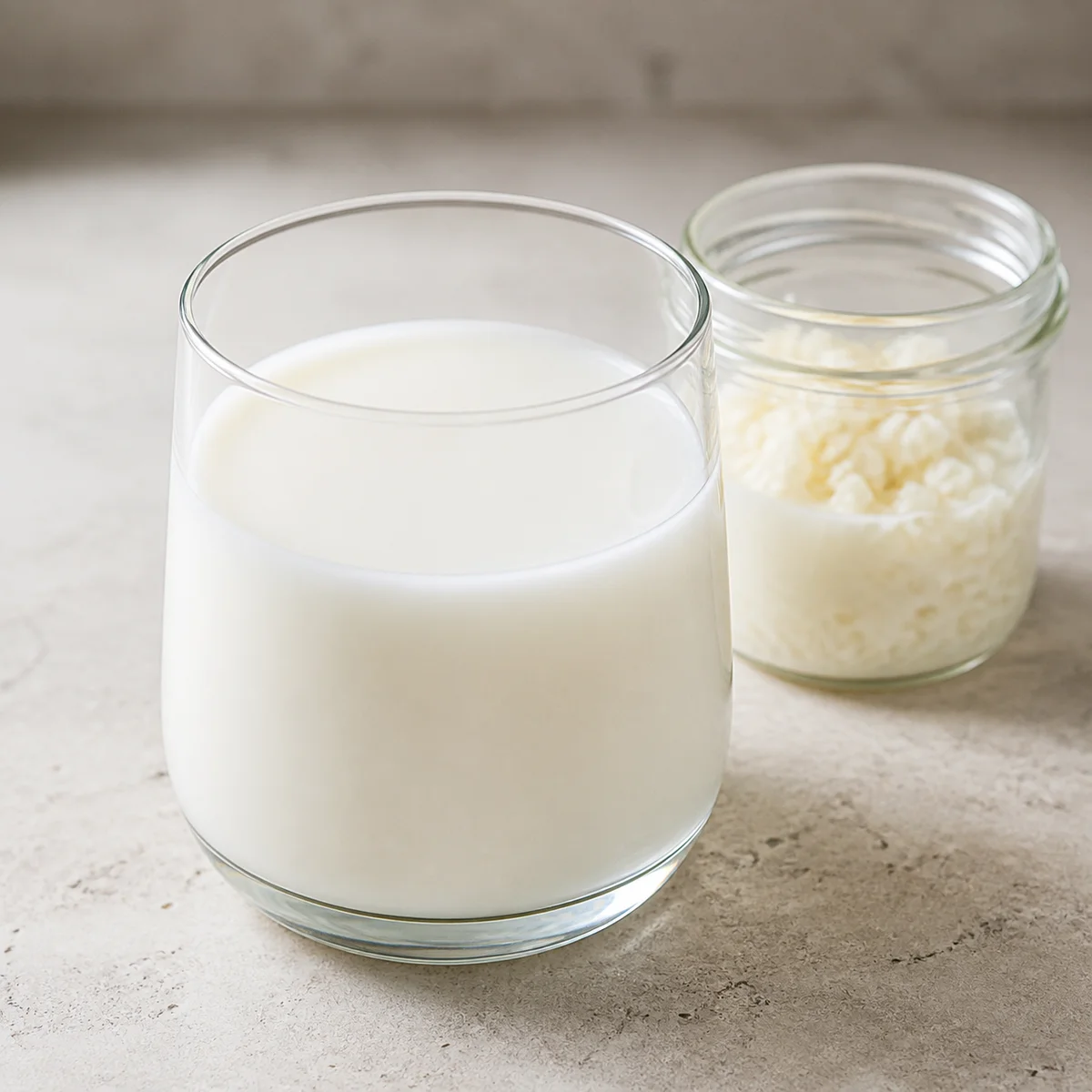
Reusable kefir grains culture pasteurized milk into a pourable drink with gentle tang and light effervescence. A controlled temperature, measured acidity, and immediate refrigeration keep the daily rhythm predictable.
67 recipes
Reusable kefir grains culture pasteurized milk into a pourable drink with gentle tang and light effervescence. A controlled temperature, measured acidity, and immediate refrigeration keep the daily rhythm predictable.
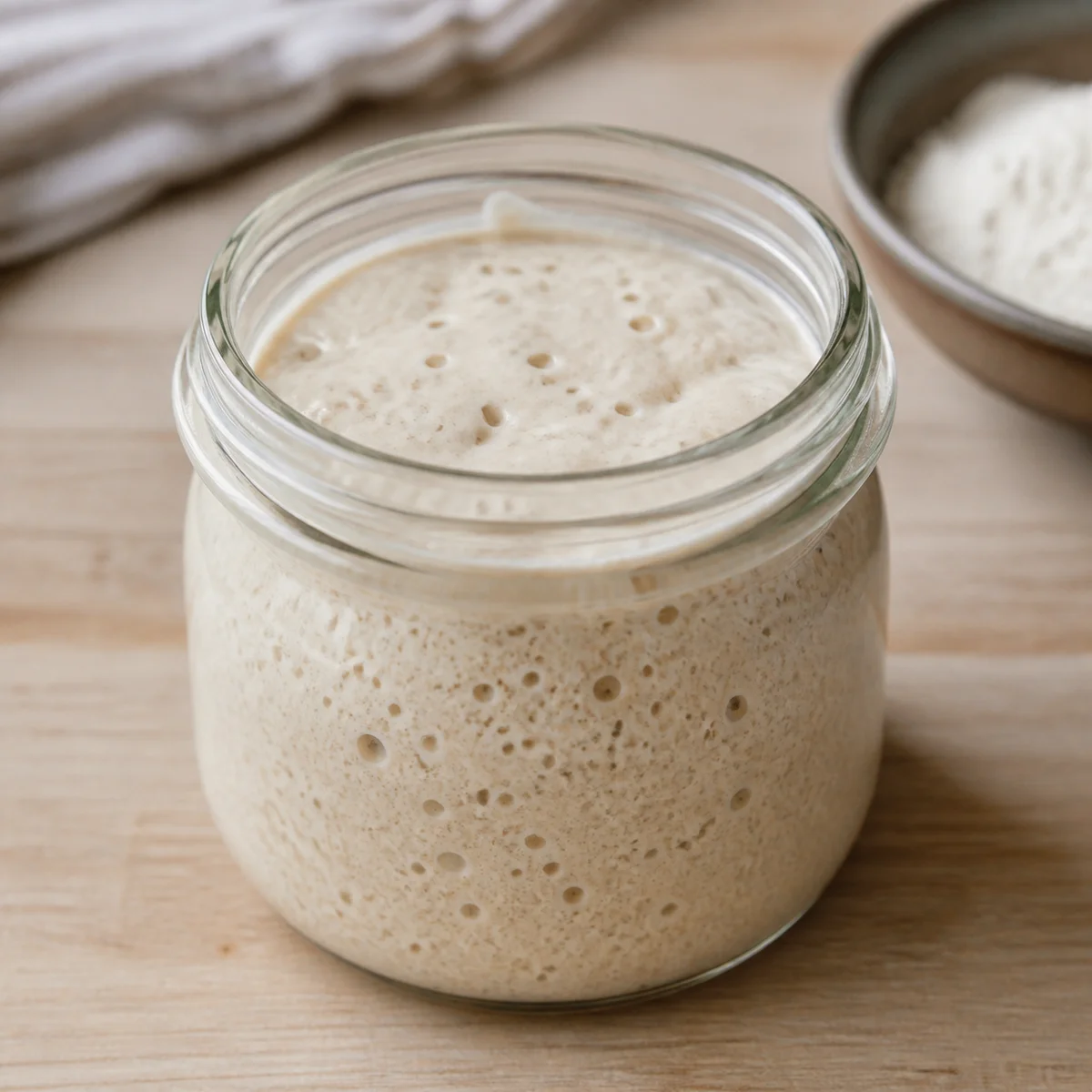
Flour and water develop into an active sourdough culture through regular feeding and careful observation. The schedule explains the early false rise, the quiet middle days, and the signs of a starter ready to bake with.
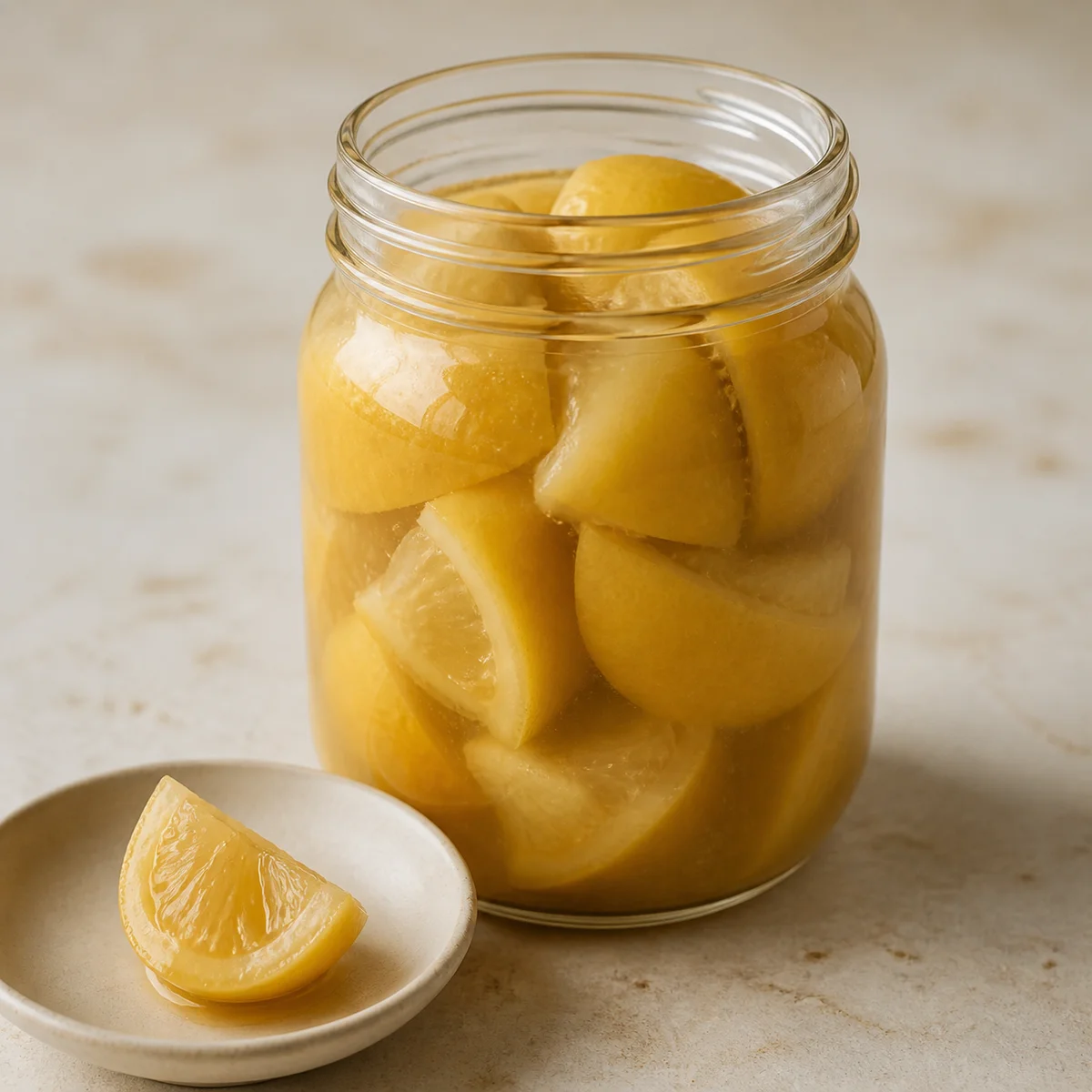
Lemons soften slowly under salt and their own juice until the rind becomes intensely aromatic and savory. The finished peel adds concentrated citrus to braises, dressings, grains, and sauces.
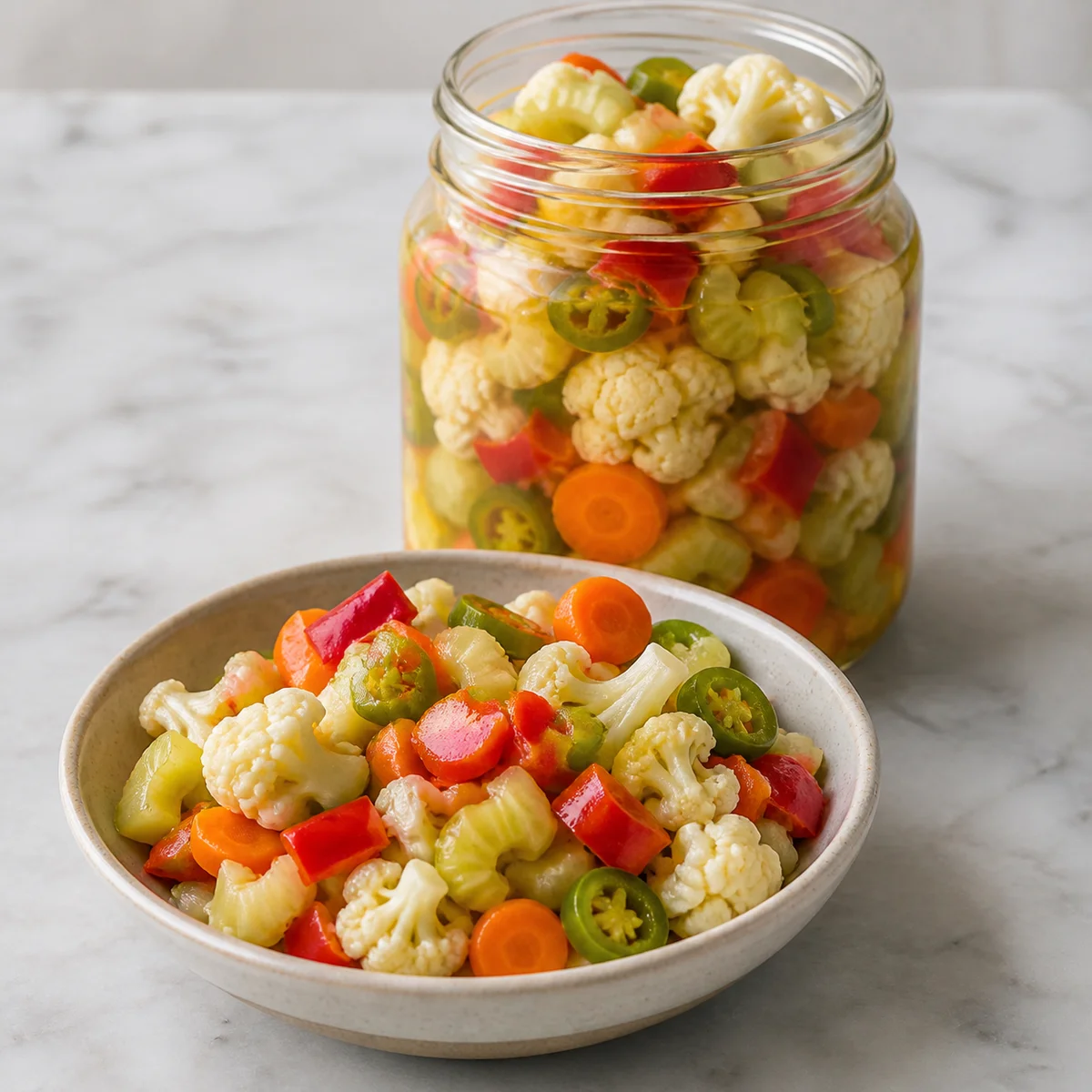
Crunchy cauliflower, peppers, celery, and carrots pickle in a sharp oregano brine for a Chicago-style refrigerator condiment. Oil is added only to the portion being served, which keeps storage simple and conservative.
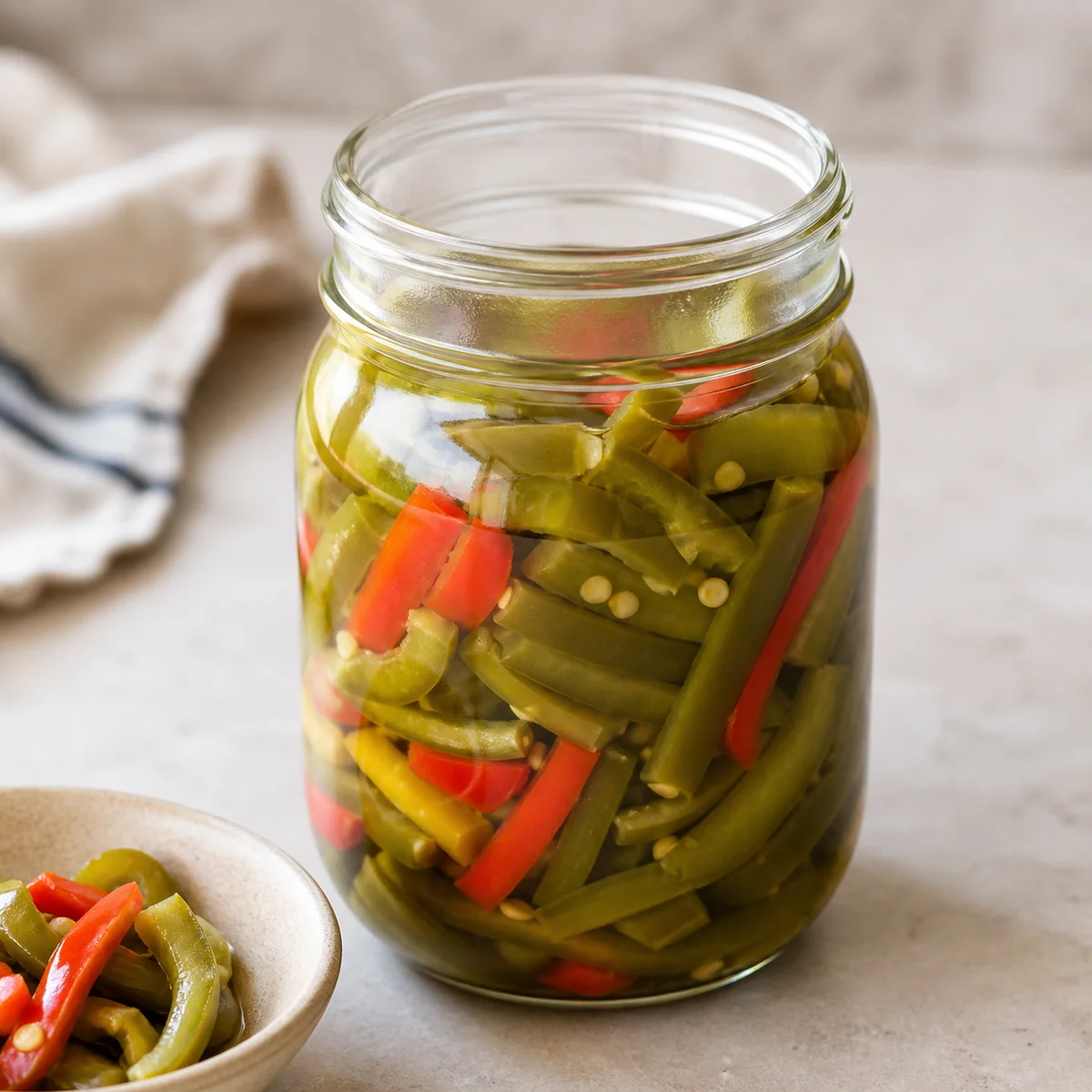
Jalapenos and sweet peppers are packed in a tested vinegar brine and processed in pint jars. The result is tangy, firmly pickled pepper with clear altitude guidance and no improvised acid ratio.
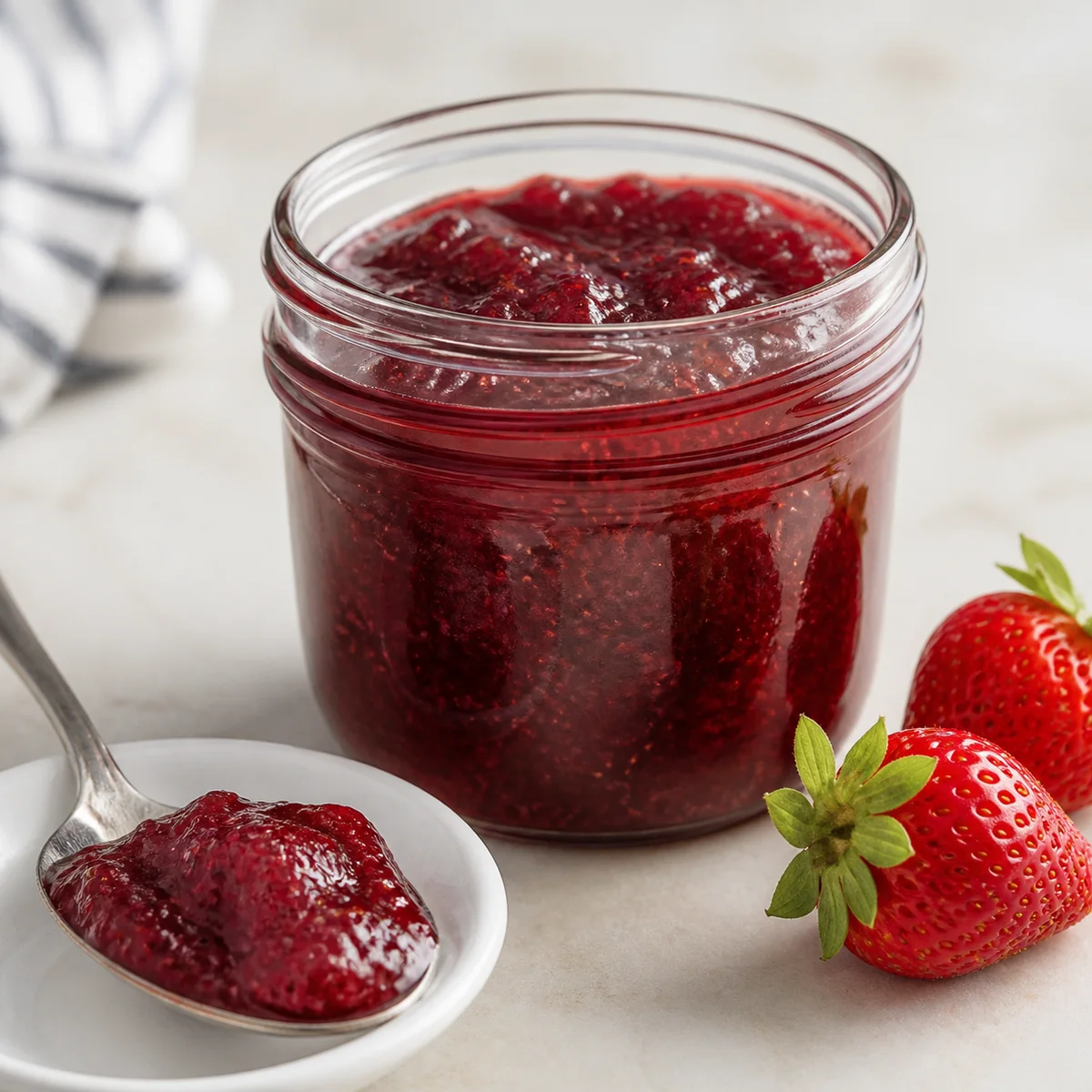
Ripe strawberries and sugar cook into a bright, spoonable jam without added pectin. The tested fruit ratio, sterile jars, and altitude-specific boiling-water process make the sealed jars shelf stable.
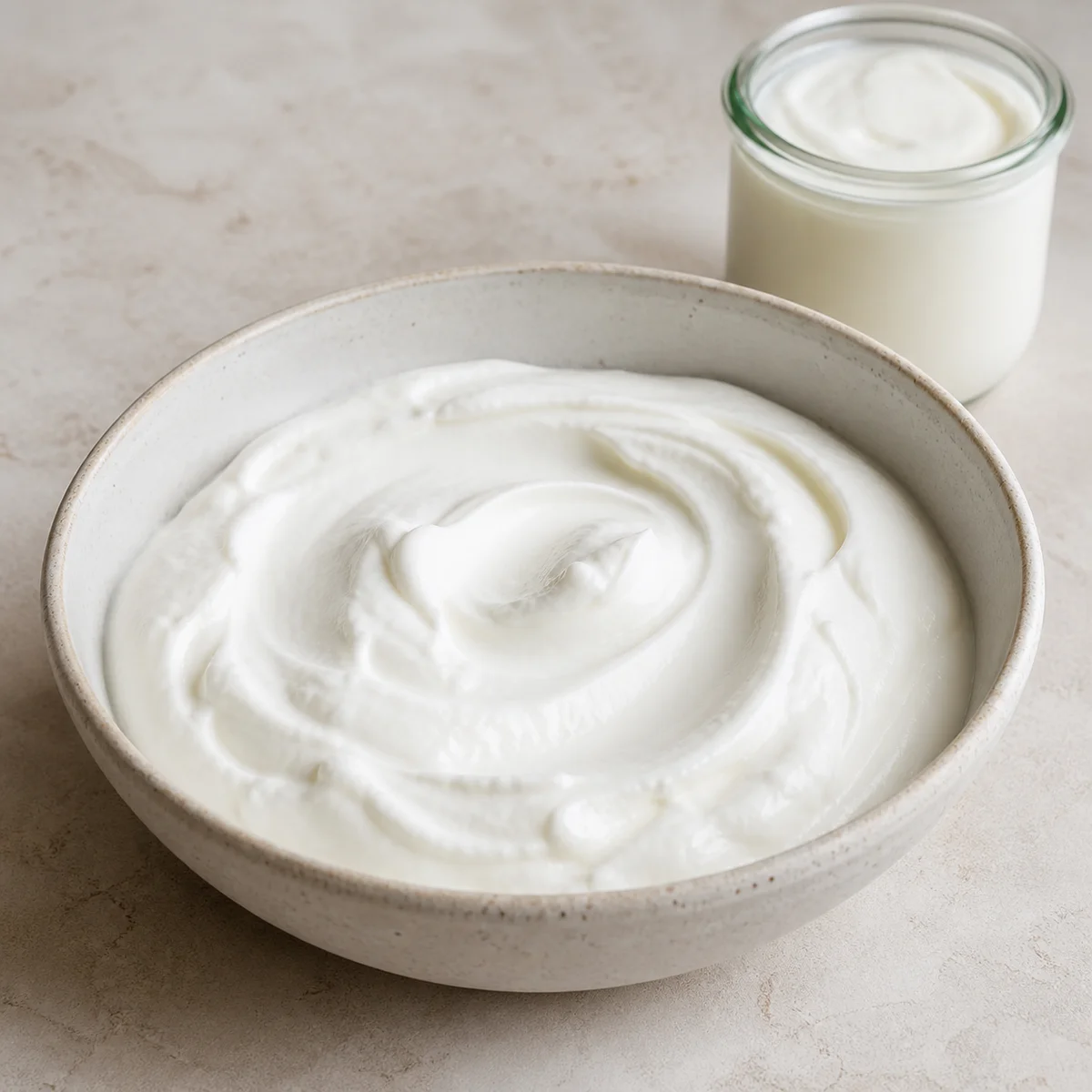
Milk is heated for structure, cooled for the culture, incubated until set, then strained into thick Greek-style yogurt. A thermometer and prompt refrigeration matter more than specialized equipment.
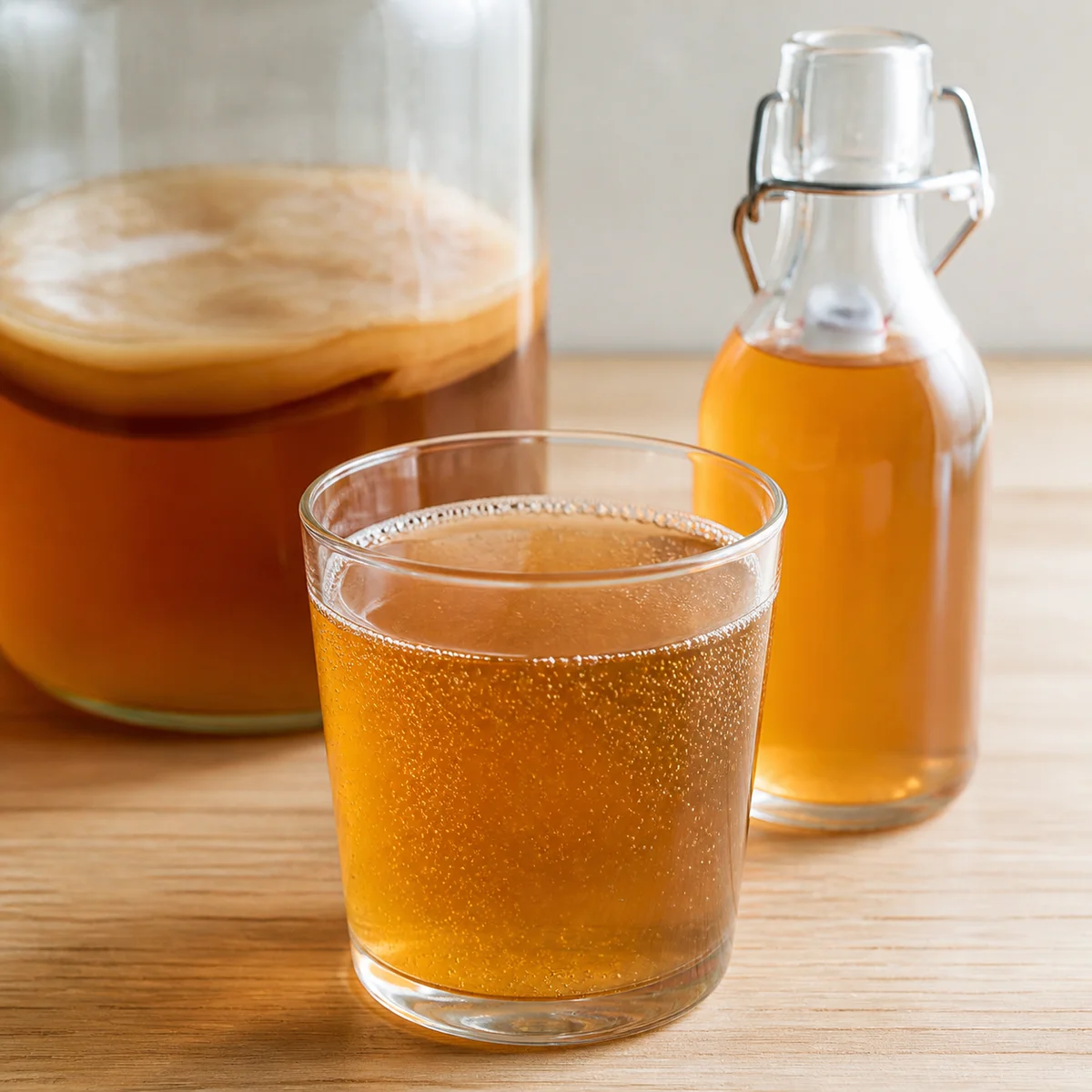
Sweetened tea ferments with a SCOBY into a tart, lightly sparkling drink. The first ferment builds acidity, while a brief bottled ferment adds carbonation under careful pressure control.
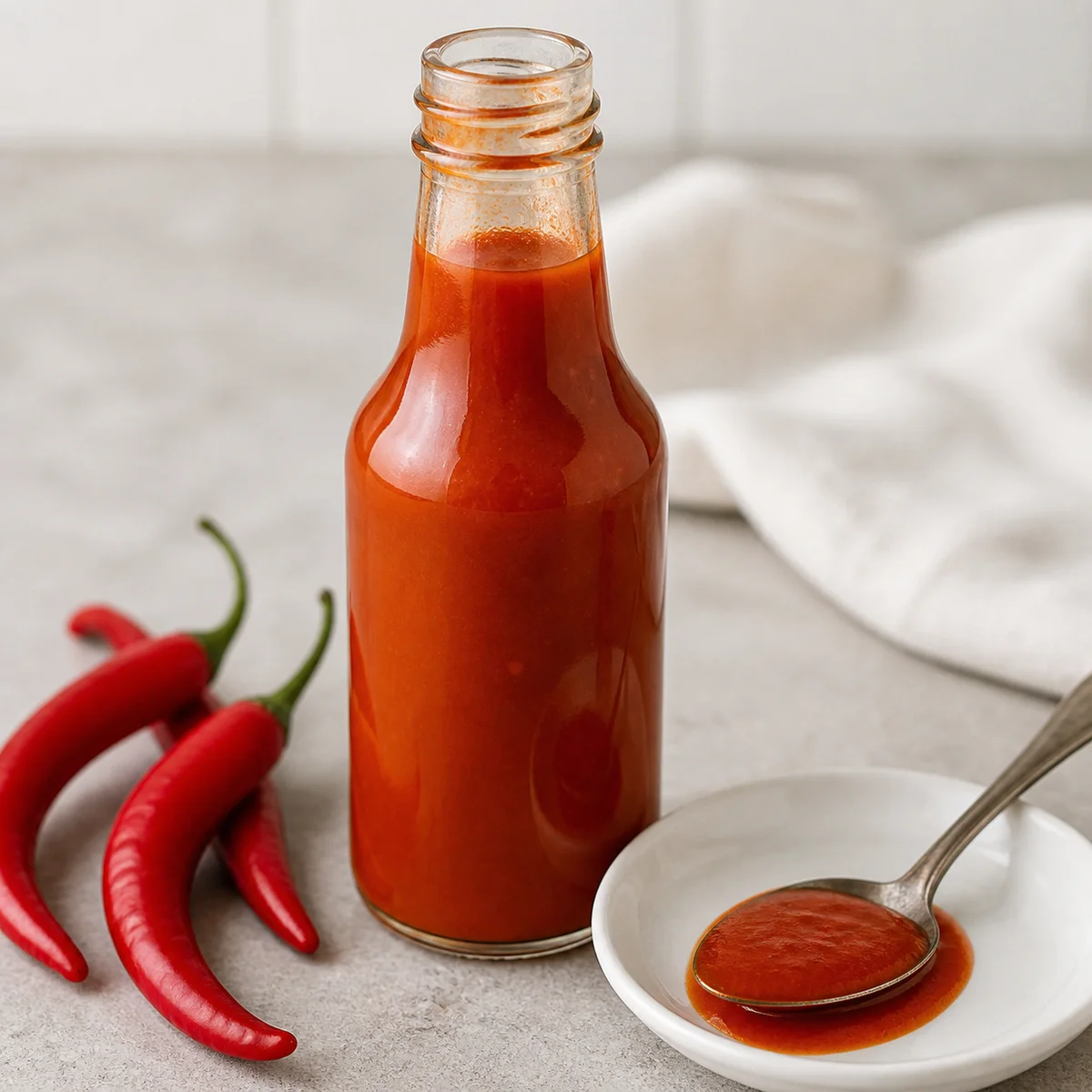
Fresh chiles ferment under brine until naturally tart, then blend with vinegar into a bright, pourable sauce. Submersion and measured acidity keep the process controlled rather than guesswork.
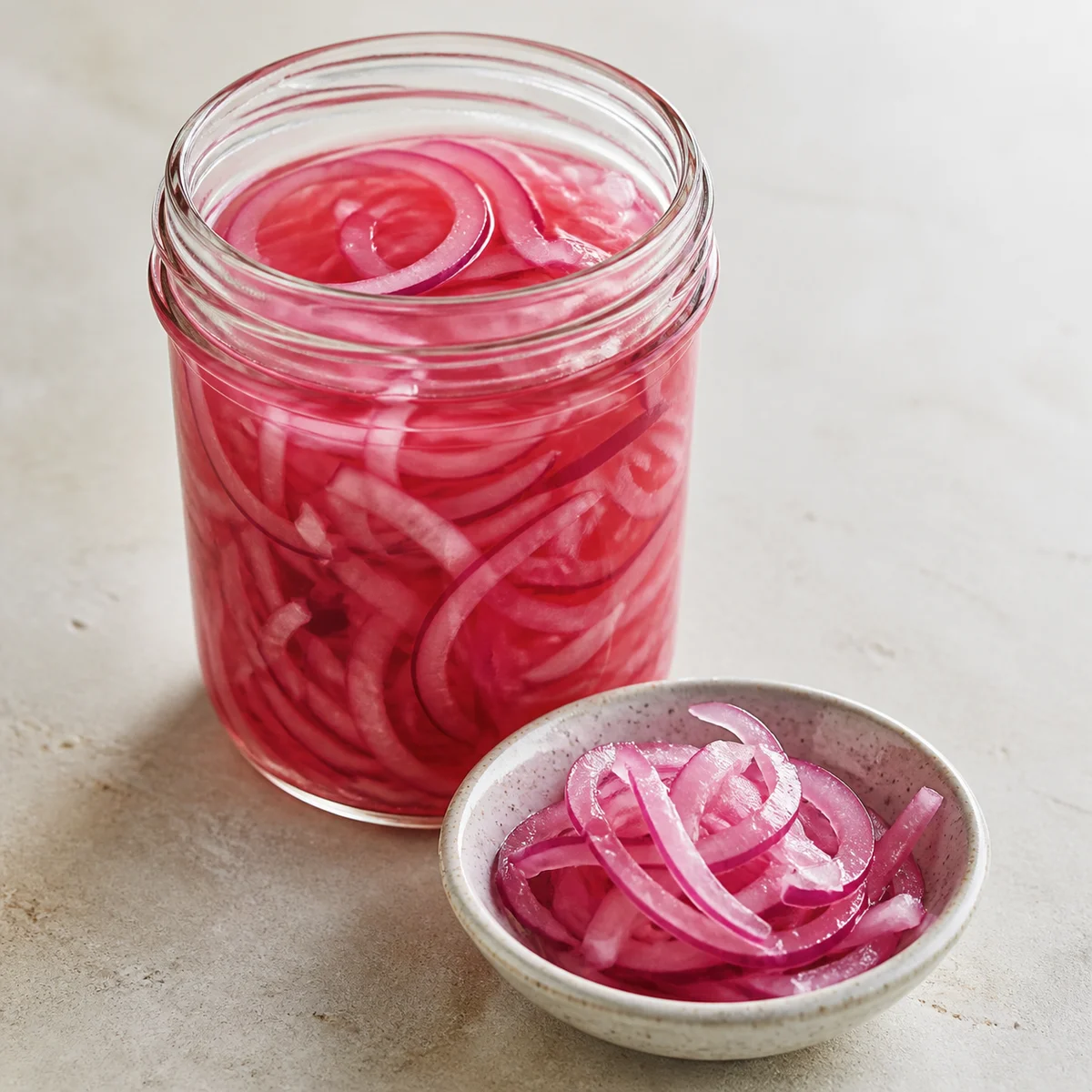
A hot vinegar brine softens the bite of thin red onion while preserving its snap and bright color. Fifteen minutes of work makes a sharp, useful topping for tacos, sandwiches, and grain bowls.
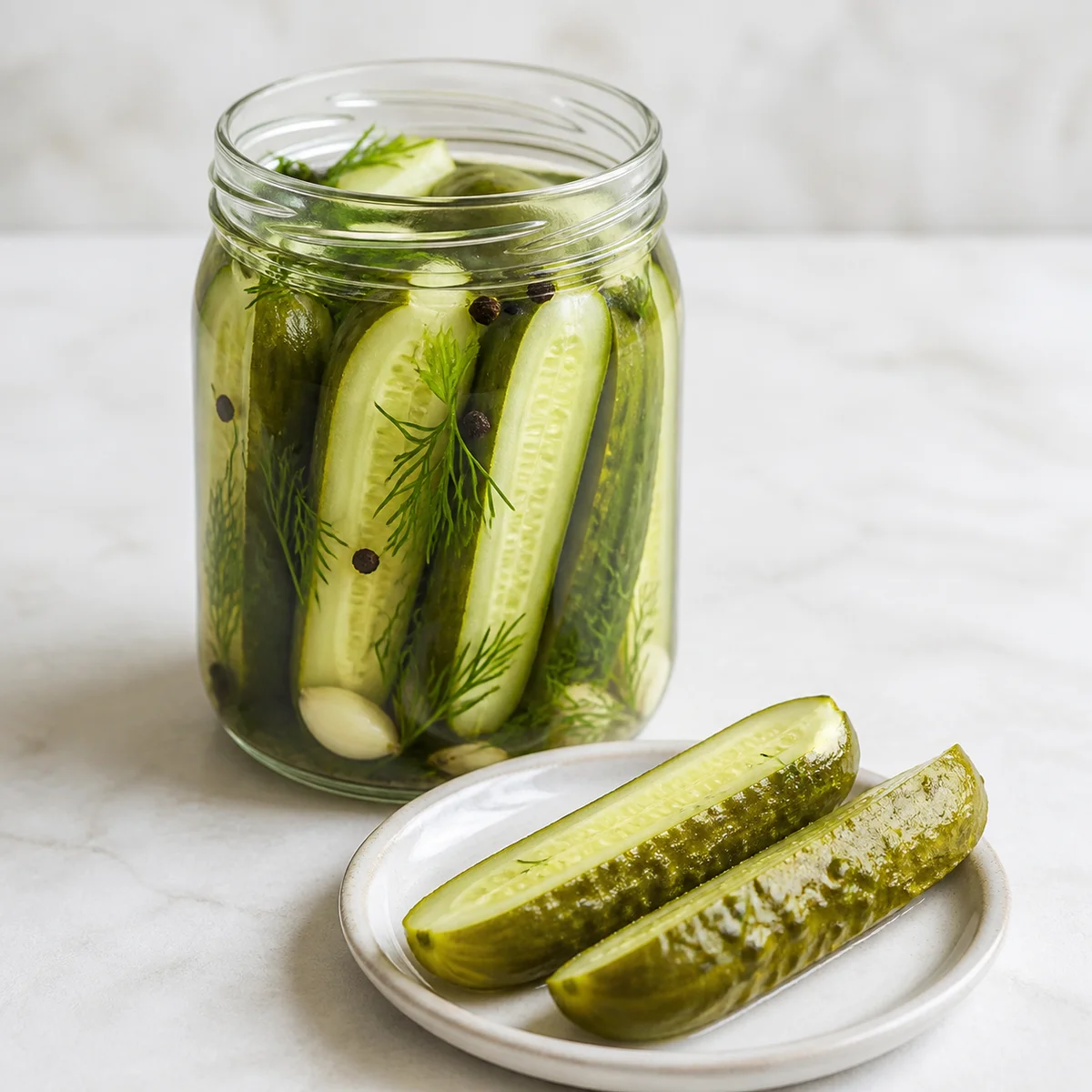
These cold-brined cucumber spears turn crisp, garlicky, and dill-forward overnight. They stay in the refrigerator from start to finish and are never treated as shelf-stable pickles.
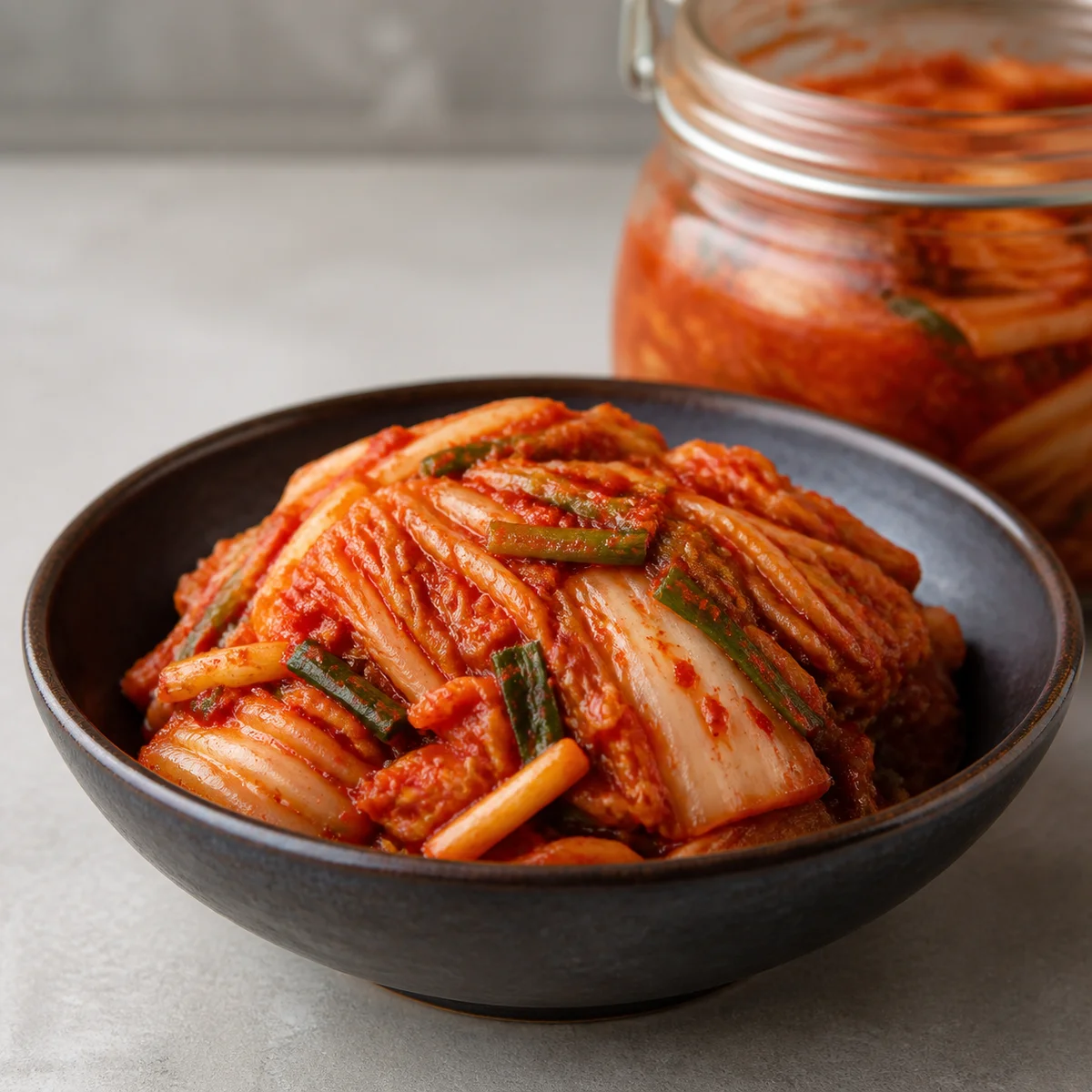
Napa cabbage is salted, rinsed, and coated with a vivid gochugaru paste that ferments quickly. A short room-temperature start develops acidity before cold storage slows the process.
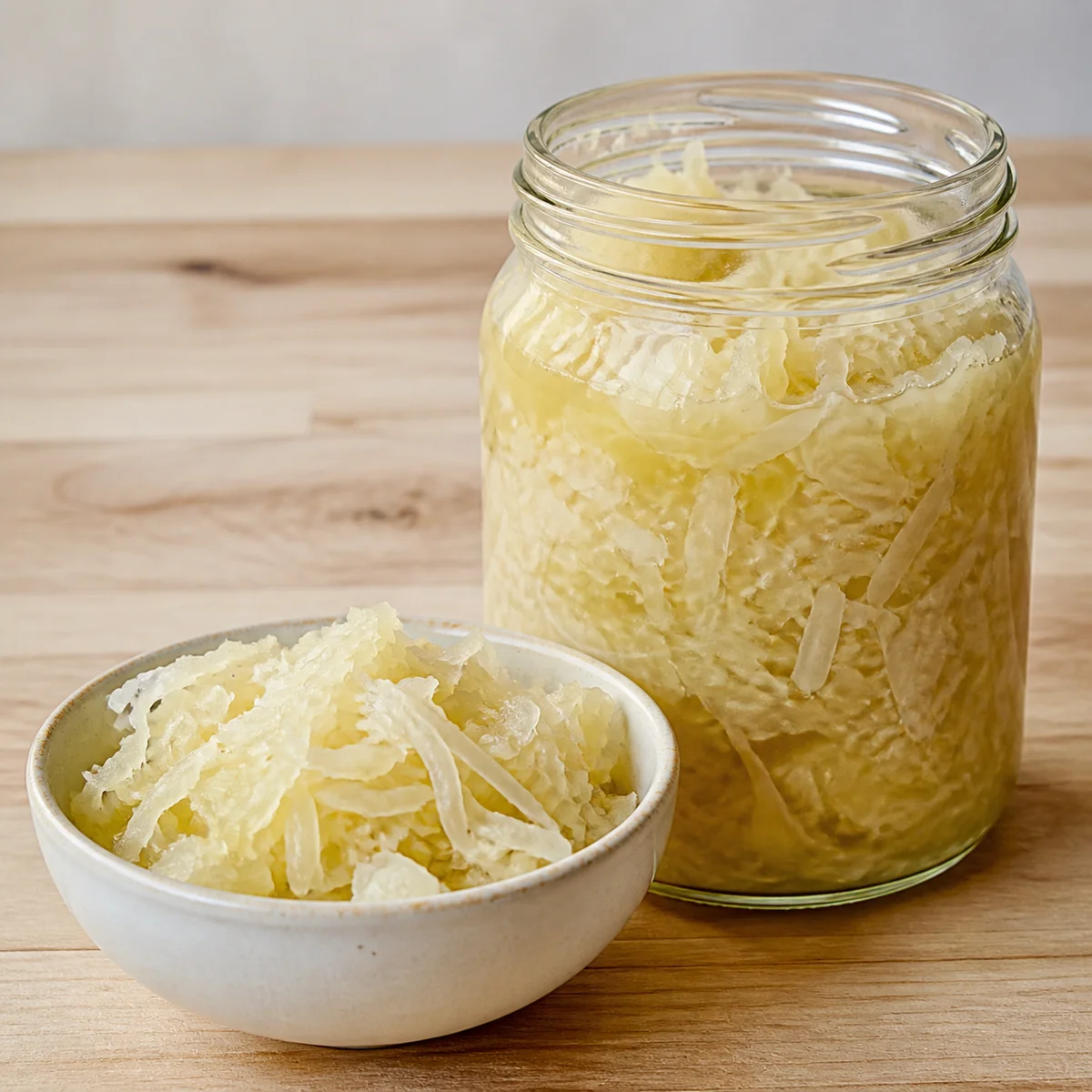
Fresh cabbage, pickling salt, and time become crisp, cleanly sour sauerkraut. Accurate salting, steady temperature, and keeping every shred below the brine are the essential controls.
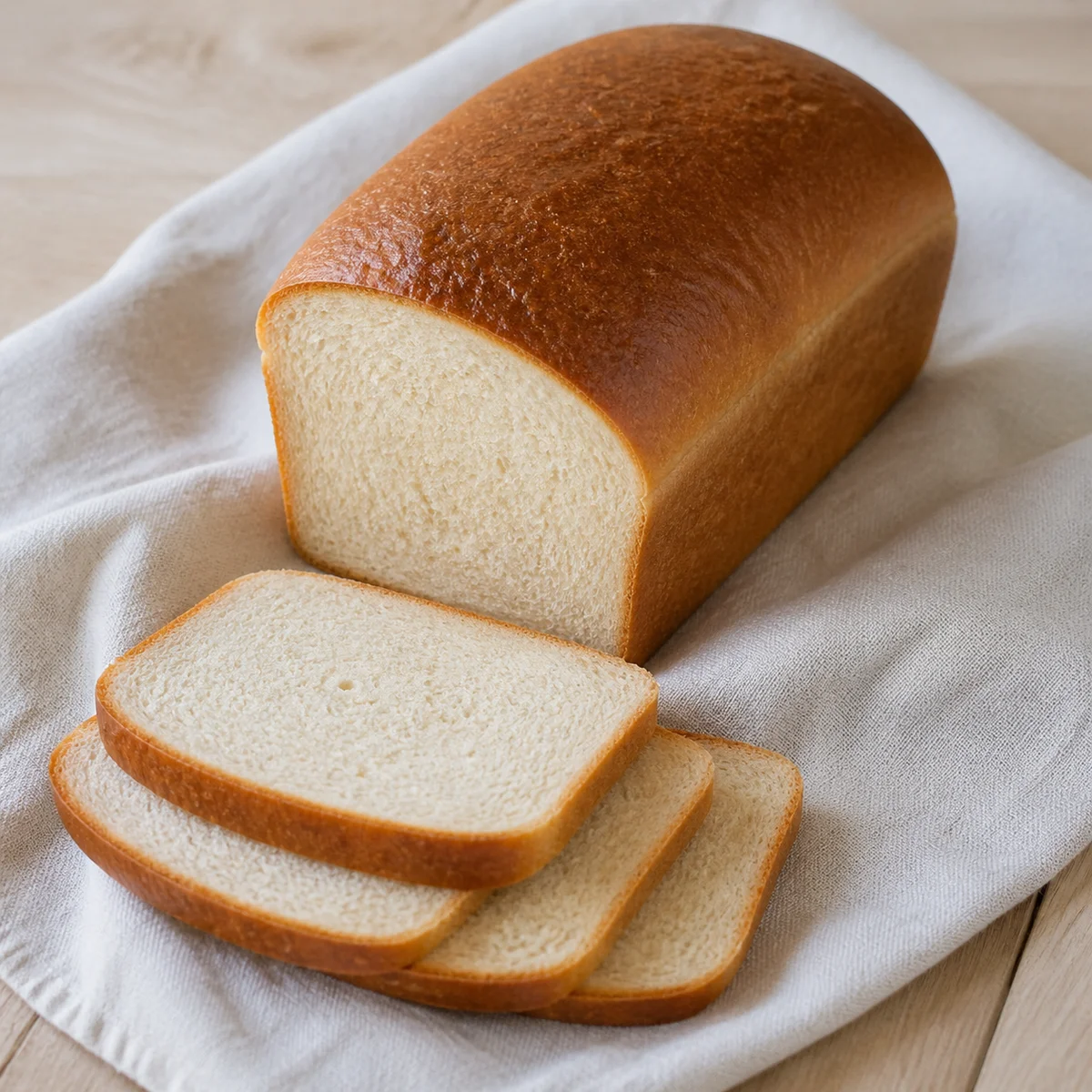
This soft pan loaf uses an active sourdough starter for a mild tang and an even, sliceable crumb. Gentle enrichment keeps it tender while careful proofing preserves enough strength for a tall rise.
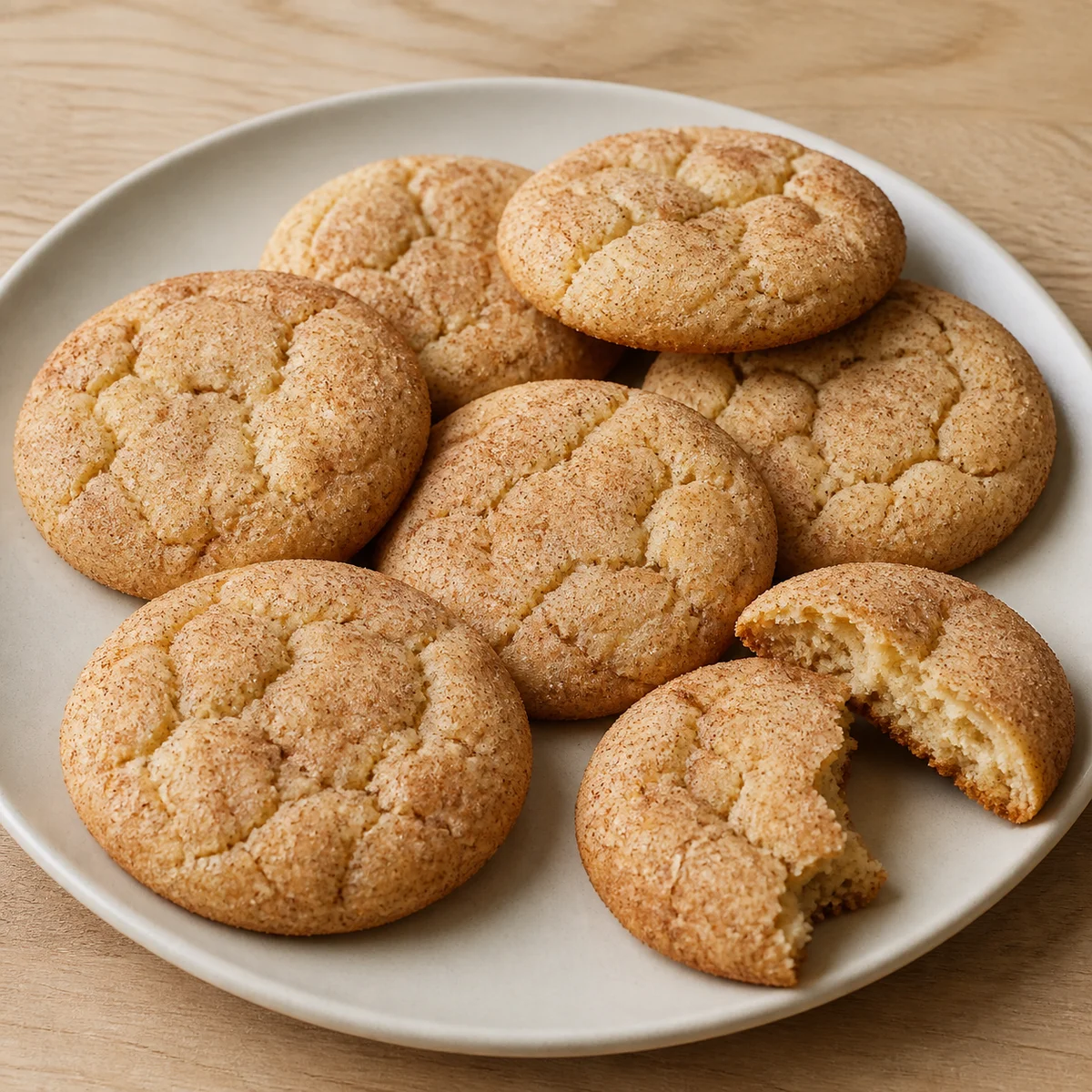
Cream of tartar gives these cinnamon sugar cookies their familiar tang and soft chew. The edges set in the oven while the centers stay slightly underdone and finish on the pan.
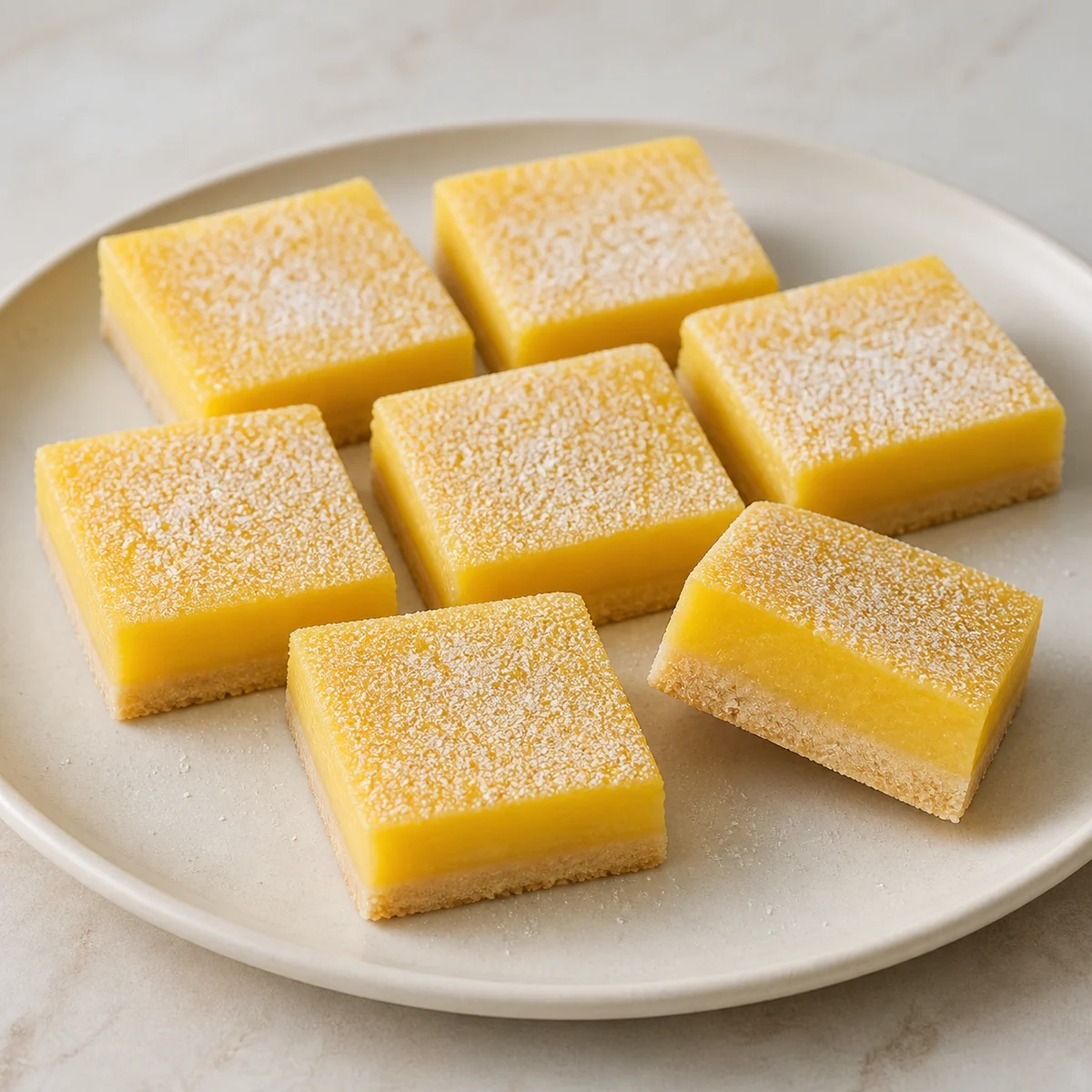
A crisp shortbread base is fully set before the sharp lemon filling goes on top. Fresh juice and zest keep the curd bright, with enough sweetness to balance its clean acidity.
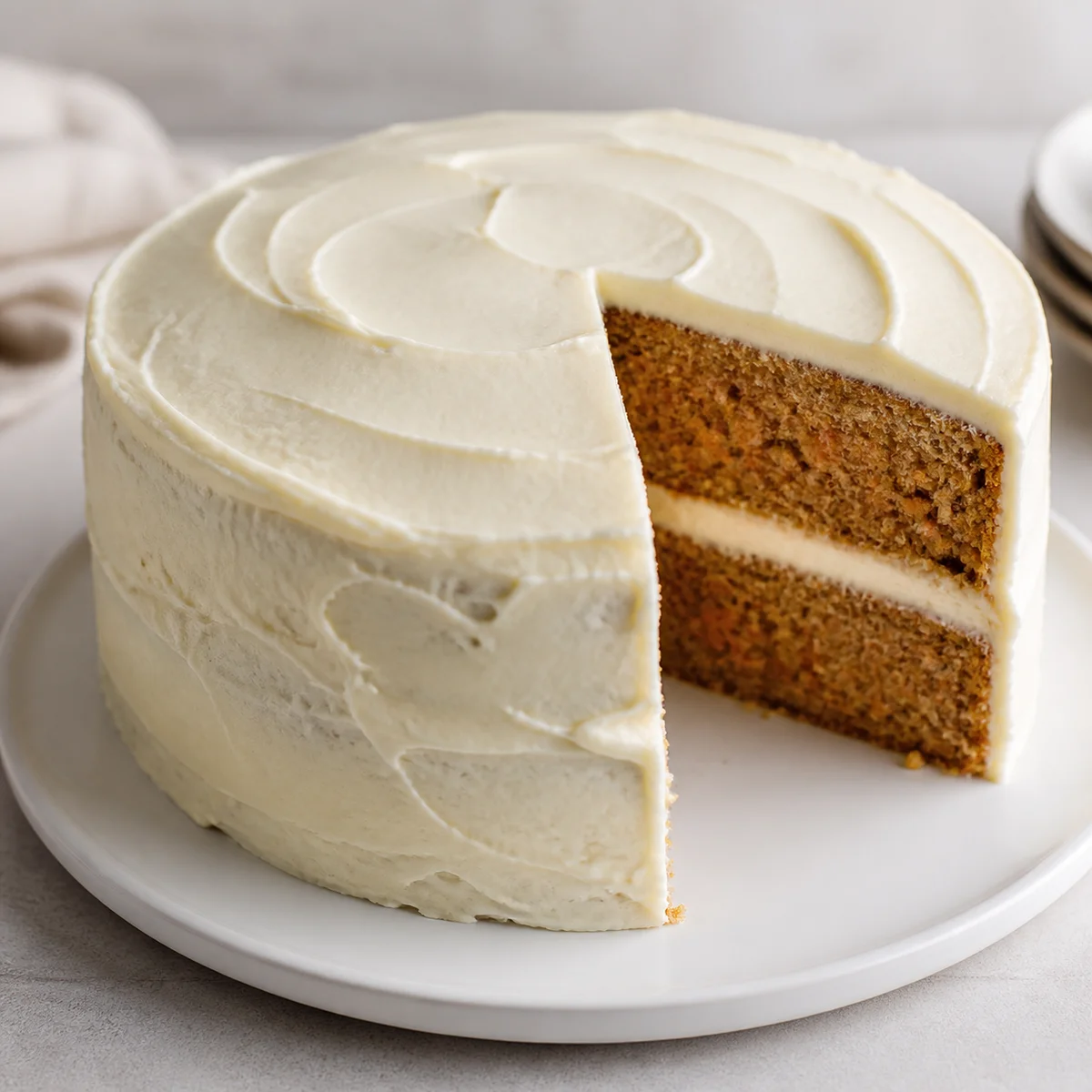
Freshly grated carrots and warm spices make a moist, sturdy layer cake. The cream cheese frosting uses enough butter and powdered sugar to hold its shape without losing its tang.
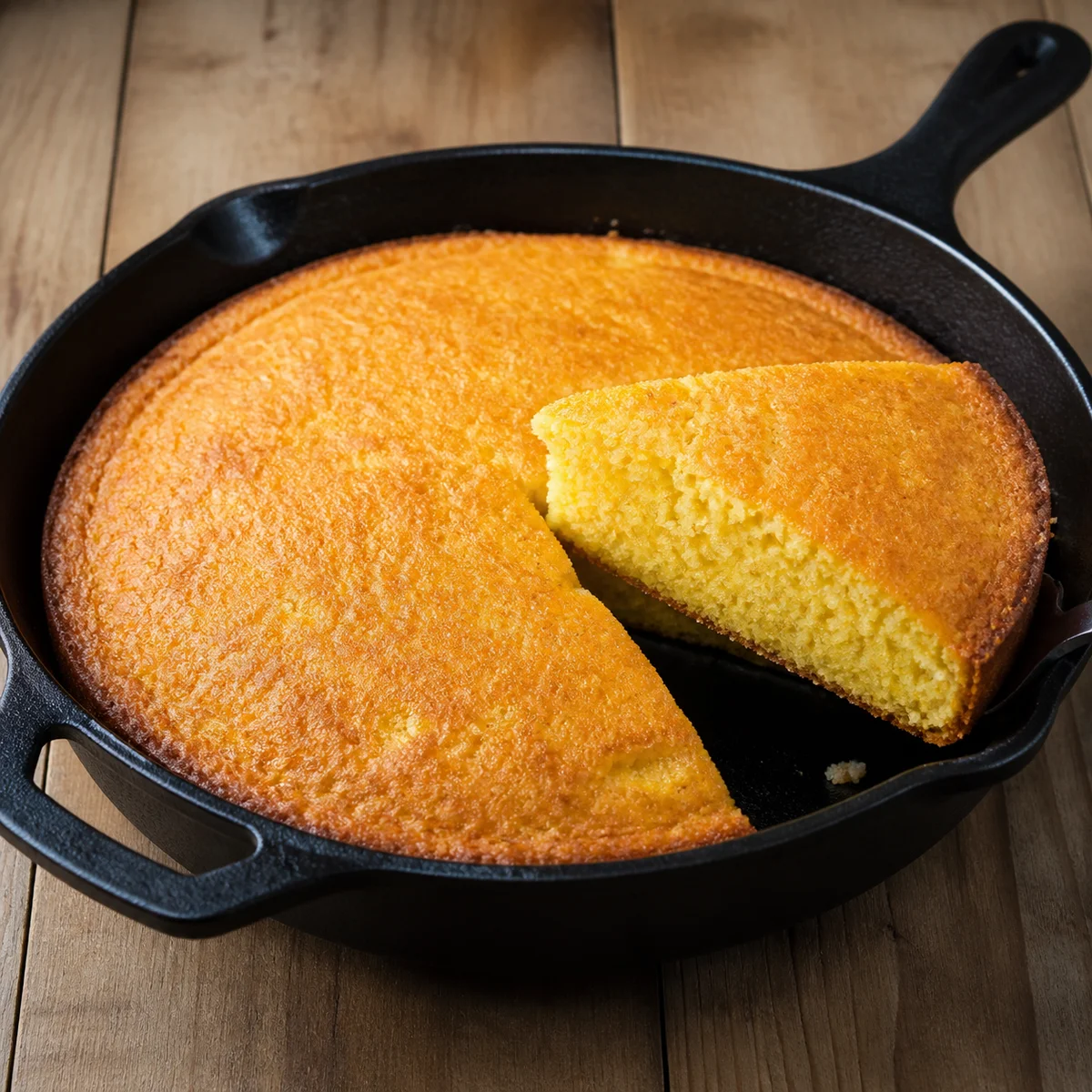
A preheated cast-iron skillet gives this lightly savory cornbread a crisp, browned edge. Buttermilk keeps the center moist enough for serving beside chili or beans.
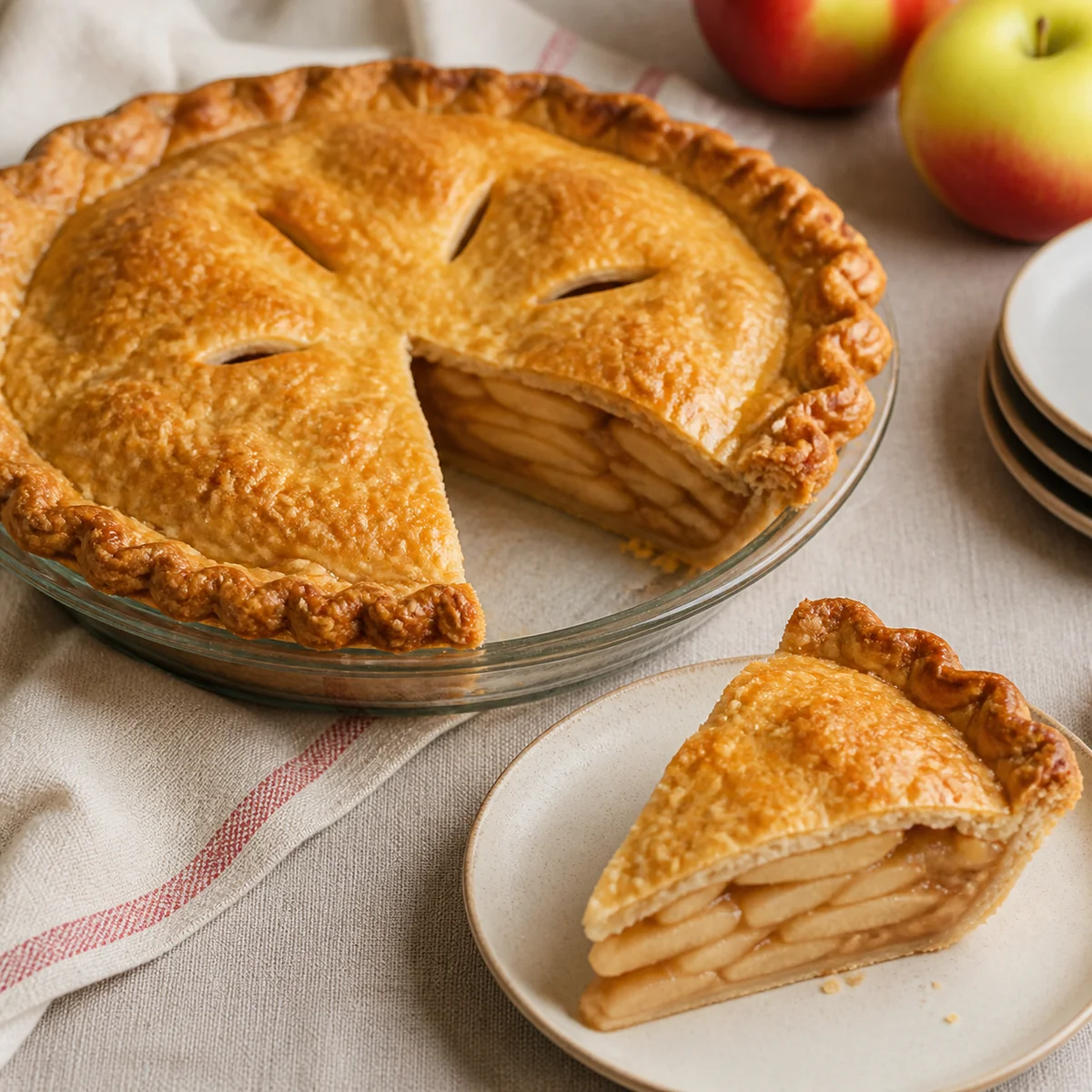
Tart and sweet apples are briefly cooked before baking, which concentrates their juices and prevents a hollow, soupy pie. A thoroughly browned bottom crust is the final doneness cue.
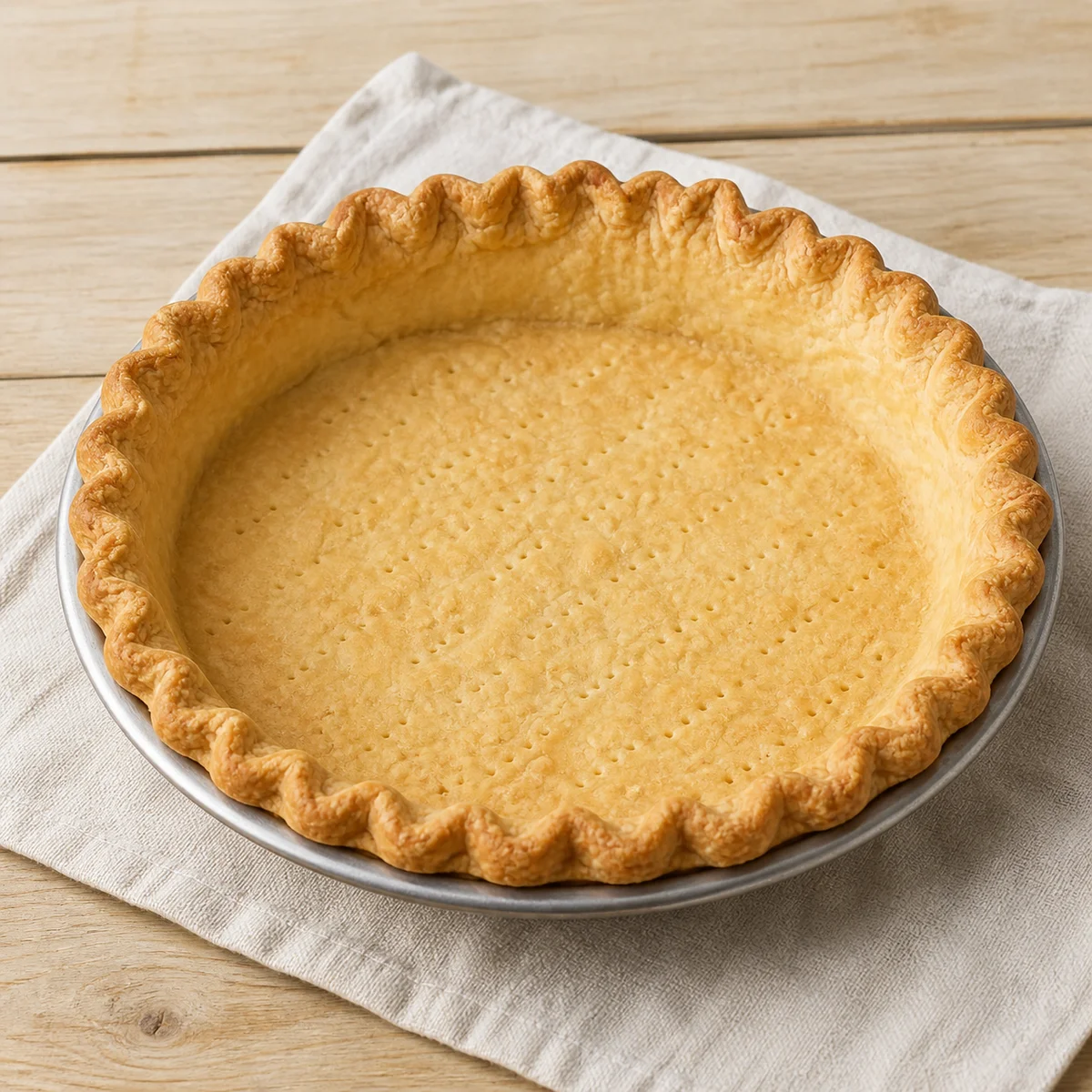
Visible pieces of cold butter turn to steam in the oven and create a flaky, crisp pastry. This two-crust batch includes clear chilling and blind-baking cues for dependable results.